The Role of LGBTQ Activists in Promoting Equality and Inclusion
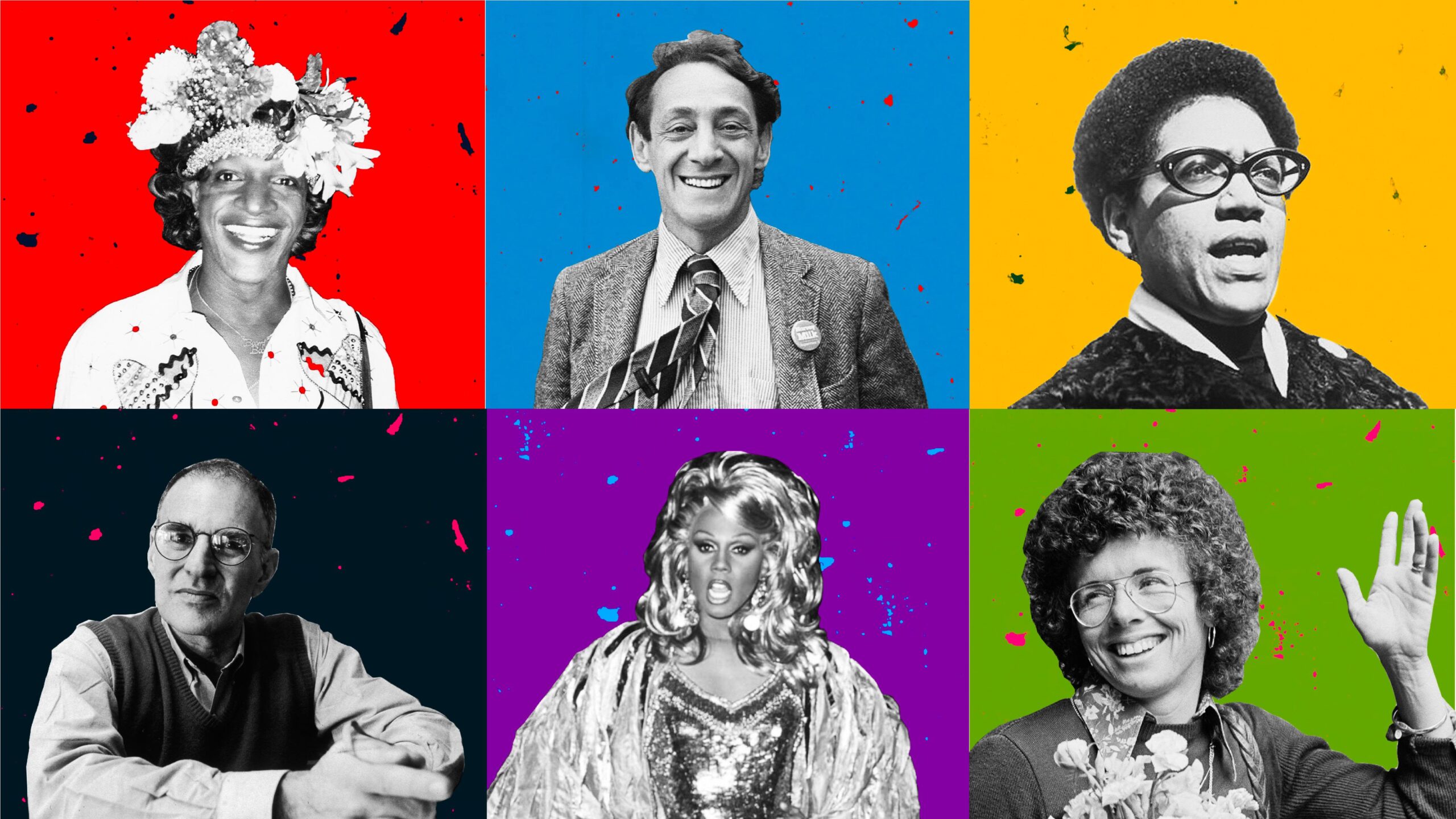
LGBTQ activists play a crucial role in advocating for the rights and well-being of the lesbian, gay, bisexual, transgender, and queer community. These dedicated individuals work tirelessly to promote equality, fight discrimination, and create a more inclusive society for all.
Advocacy and Awareness
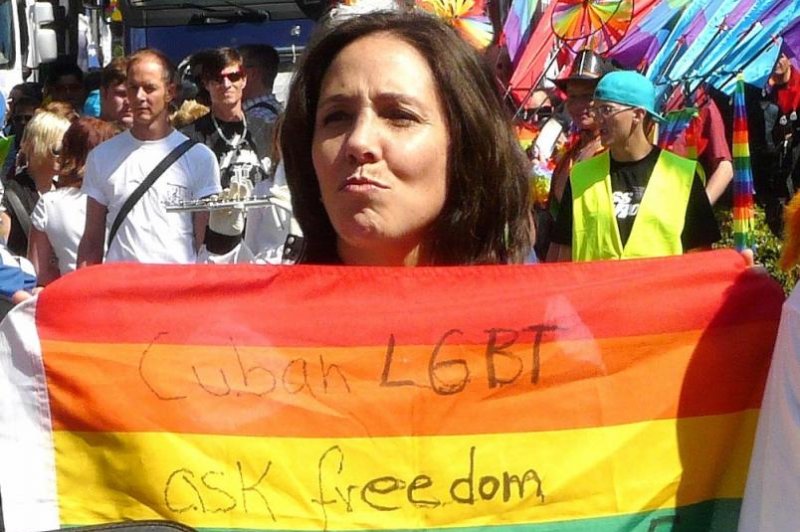
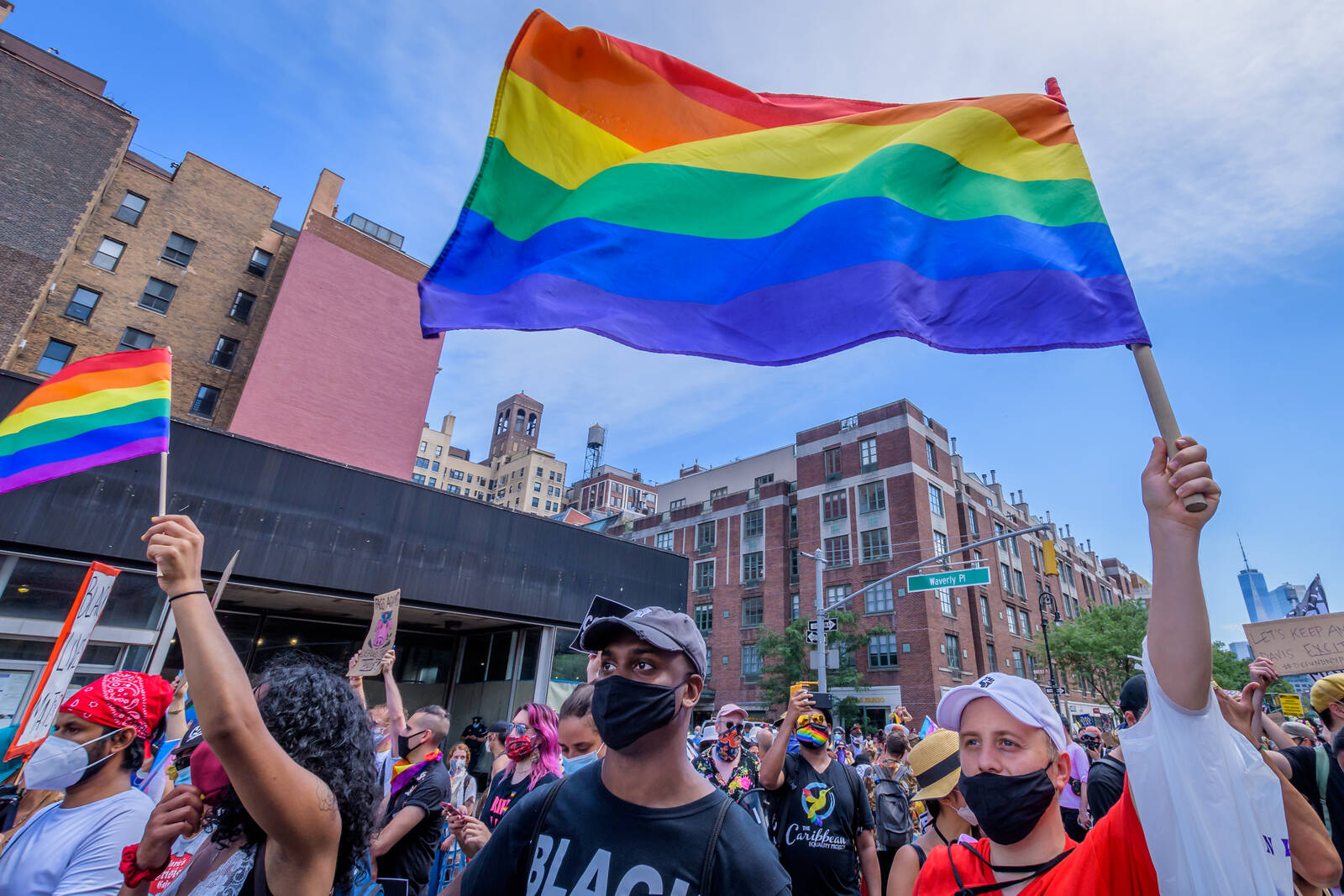
One of the primary responsibilities of LGBTQ activists is to advocate for policies that protect the rights of LGBTQ individuals. They work to raise awareness about issues such as marriage equality, anti-discrimination laws, healthcare access, and transgender rights. By organizing rallies, marches, and educational events, activists strive to create positive change and challenge harmful stereotypes.
Support and Resources
LGBTQ activists also provide vital support and resources to community members. They offer counseling services, support groups, and safe spaces for those facing discrimination or struggling with their identity. Activists work to create a sense of belonging and acceptance within the LGBTQ community and ensure that no one feels alone or marginalized.
Education and Outreach
Education is a key component of LGBTQ activism. Activists engage in outreach programs to schools, workplaces, and other institutions to promote understanding and acceptance of LGBTQ individuals. By sharing personal stories, providing accurate information, and dispelling myths about sexual orientation and gender identity, activists help combat prejudice and foster a culture of inclusivity.
Political Engagement
LGBTQ activists are actively involved in political advocacy at local, state, and national levels. They lobby lawmakers for pro-LGBTQ legislation, participate in campaigns to elect supportive candidates, and hold government officials accountable for their actions on LGBTQ issues. Through their political engagement, activists strive to ensure that the voices of the LGBTQ community are heard in policy-making processes.
Conclusion
In conclusion, LGBTQ activists play a vital role in advancing equality and inclusion for all individuals regardless of sexual orientation or gender identity. Their dedication to advocacy, support, education, outreach, and political engagement helps create a more just and equitable society where everyone can live authentically without fear of discrimination or prejudice.
Exploring the Role and Impact of LGBTQ Activists: Frequently Asked Questions
- What is an LGBTQ activist?
- Why are LGBTQ activists important?
- How can I become an LGBTQ activist?
- What issues do LGBTQ activists advocate for?
- What challenges do LGBTQ activists face?
- How can I support LGBTQ activists and their cause?
- What impact have LGBTQ activists had on society?
What is an LGBTQ activist?
An LGBTQ activist is an individual who advocates for the rights and well-being of the lesbian, gay, bisexual, transgender, and queer community. These activists work tirelessly to promote equality, fight discrimination, and create a more inclusive society for all individuals regardless of sexual orientation or gender identity. They engage in various forms of advocacy, such as organizing rallies, marches, and educational events to raise awareness about LGBTQ issues and push for policy changes that protect the rights of LGBTQ individuals. LGBTQ activists provide support, resources, education, and political engagement to advance social justice and ensure that everyone can live authentically without fear of discrimination or prejudice.
Why are LGBTQ activists important?
LGBTQ activists are crucial because they serve as dedicated advocates for the rights and well-being of the lesbian, gay, bisexual, transgender, and queer community. Their work is essential in promoting equality, challenging discrimination, and creating a more inclusive society for all individuals regardless of sexual orientation or gender identity. By raising awareness, providing support, educating the public, and engaging in political advocacy, LGBTQ activists play a key role in driving positive change and ensuring that the voices of the LGBTQ community are heard and respected. Their tireless efforts help advance social progress and contribute to building a more accepting and equitable world for everyone.
How can I become an LGBTQ activist?
To become an LGBTQ activist, there are several steps you can take to make a positive impact and support the community. Start by educating yourself on LGBTQ issues, history, and current challenges. Attend workshops, seminars, and events to deepen your understanding and connect with like-minded individuals. Get involved with local LGBTQ organizations or advocacy groups to volunteer your time, skills, or resources. Use your voice to speak out against discrimination and promote equality in your community. Engage in conversations with friends, family, and colleagues to raise awareness and foster acceptance. Remember that activism comes in many forms, so find what resonates with you and take action to make a difference in the fight for LGBTQ rights and inclusion.
What issues do LGBTQ activists advocate for?
LGBTQ activists advocate for a wide range of issues aimed at promoting equality, acceptance, and rights for the lesbian, gay, bisexual, transgender, and queer community. Some of the key issues they focus on include marriage equality, anti-discrimination laws in employment and housing, healthcare access for LGBTQ individuals, transgender rights and protections, conversion therapy bans, inclusive education in schools, combating violence and hate crimes against LGBTQ individuals, fostering acceptance and understanding within society, and advocating for policies that support the diverse needs of the LGBTQ community. By addressing these critical issues through advocacy efforts and awareness campaigns, LGBTQ activists strive to create a more inclusive and equitable society for all.
What challenges do LGBTQ activists face?
LGBTQ activists face a range of challenges in their advocacy work for the rights and well-being of the LGBTQ community. One significant challenge is the persistence of discrimination and prejudice, which can manifest in various forms such as hate speech, violence, and systemic inequalities. Additionally, LGBTQ activists often encounter resistance from individuals or groups who oppose LGBTQ rights, making it difficult to advance inclusive policies and promote social acceptance. Limited resources, burnout from emotional labor, and navigating complex legal frameworks are also common challenges that activists must navigate in their efforts to create a more equitable and accepting society for all LGBTQ individuals.
How can I support LGBTQ activists and their cause?
To support LGBTQ activists and their cause, there are several meaningful ways to get involved. One can start by educating oneself on LGBTQ issues and understanding the challenges faced by the community. Supporting LGBTQ organizations through donations, volunteering, or attending events can also make a significant impact. Amplifying LGBTQ voices by sharing their stories and advocating for inclusive policies in personal and professional spheres helps raise awareness and promote acceptance. Engaging in conversations with friends, family, and colleagues about LGBTQ rights and equality can contribute to creating a more supportive environment for the community. Ultimately, standing in solidarity with LGBTQ activists and actively working towards a more inclusive society is key to supporting their cause effectively.
What impact have LGBTQ activists had on society?
LGBTQ activists have had a profound impact on society by championing equality, challenging discrimination, and advocating for the rights of LGBTQ individuals. Their tireless efforts have led to significant advancements in civil rights, including the legalization of same-sex marriage, the implementation of anti-discrimination laws, and increased visibility and acceptance of diverse gender identities and sexual orientations. Through their advocacy work, LGBTQ activists have helped shift societal attitudes, promote inclusivity, and create safer spaces for all individuals to live authentically and free from prejudice. Their ongoing dedication continues to inspire positive change and progress towards a more equitable and accepting society for everyone.