Gender Issues: Understanding and Addressing Challenges
In today’s society, gender issues continue to be a topic of significant importance and debate. Gender, a social construct that defines roles, behaviors, and expectations based on perceived differences between men and women, plays a crucial role in shaping individuals’ experiences and opportunities.
Gender Inequality
One of the most pressing gender issues is gender inequality. This manifests in various forms, such as unequal pay for equal work, limited access to education and healthcare for women, underrepresentation of women in leadership positions, and discrimination based on gender identity or expression.
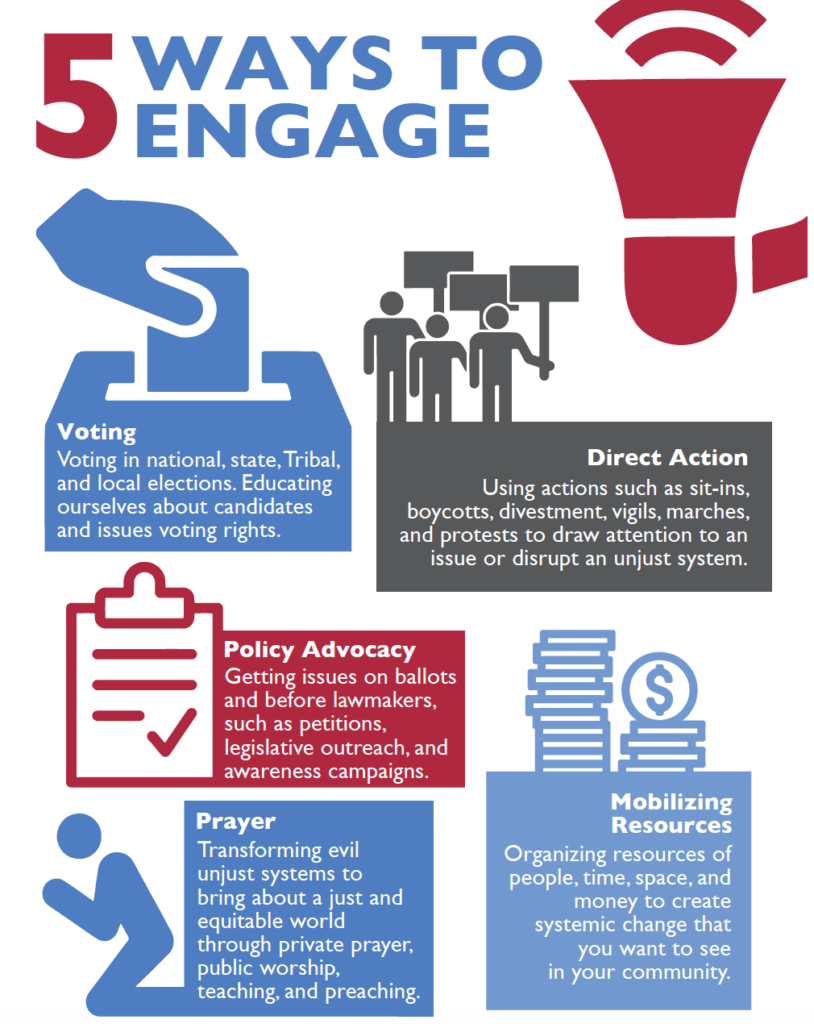
Efforts to address gender inequality involve advocating for policies that promote equal rights and opportunities for all genders. Organizations and activists work tirelessly to raise awareness about these disparities and push for systemic changes to create a more equitable society.
Gender Stereotypes
Gender stereotypes are another aspect of gender issues that influence how individuals are perceived and treated based on societal expectations. These stereotypes can limit personal expression, career choices, and overall well-being.
Educating society about the harmful impact of gender stereotypes is essential in challenging these ingrained beliefs. Encouraging diversity in representation across various fields can help break down stereotypes and create a more inclusive environment for all genders.
Intersectionality
It is crucial to recognize that gender intersects with other aspects of identity, such as race, ethnicity, sexual orientation, disability, and socioeconomic status. Intersectionality highlights the interconnected nature of different forms of discrimination and oppression.
By understanding how multiple identities shape individuals’ experiences, we can develop more comprehensive solutions to address the complex challenges faced by marginalized communities. Intersectional approaches promote inclusivity and ensure that no one is left behind in the fight for equality.
Conclusion
Gender issues are multifaceted and require ongoing efforts to promote equality, challenge stereotypes, and foster inclusivity. By engaging in conversations about gender equality, supporting initiatives that empower all genders, and advocating for policy changes that advance social justice, we can collectively work towards a more equitable future for everyone.
Understanding Gender: Key Questions and Insights into Modern Gender Issues
- What is gender?
- What is the difference between sex and gender?
- What are gender roles and stereotypes?
- How does gender inequality manifest in society?
- What are some common challenges faced by transgender individuals?
- How can we promote gender equality in the workplace?
- Why is intersectionality important in understanding gender issues?
What is gender?
Gender is a complex and multifaceted concept that goes beyond biological differences between male and female. It encompasses the social, cultural, and psychological attributes associated with being masculine or feminine. Gender is a societal construct that influences roles, behaviors, expectations, and identities. It is important to understand that gender is not binary but exists on a spectrum, allowing individuals to express their gender in diverse ways. Recognizing and respecting this diversity is essential in promoting inclusivity and challenging traditional norms and stereotypes associated with gender.
What is the difference between sex and gender?
The difference between sex and gender is a common question when discussing gender issues. Sex refers to the biological characteristics that define individuals as male, female, or intersex based on physical attributes such as chromosomes, hormones, and reproductive organs. On the other hand, gender is a social and cultural construct that encompasses the roles, behaviors, and identities that society attributes to individuals based on their perceived sex. While sex is assigned at birth and generally viewed as binary (male or female), gender is more fluid and can encompass a spectrum of identities beyond traditional male and female categories. Understanding this distinction is crucial in addressing gender issues and advocating for equality and inclusivity for all individuals regardless of their sex or gender identity.
What are gender roles and stereotypes?
Gender roles refer to societal expectations and norms that dictate how individuals should behave based on their perceived gender. These roles often prescribe specific behaviors, responsibilities, and characteristics for men and women, reinforcing traditional ideas about masculinity and femininity. On the other hand, gender stereotypes are oversimplified beliefs or assumptions about the attributes, behaviors, and capabilities of individuals based on their gender. These stereotypes can be harmful as they limit individual expression, perpetuate inequality, and contribute to discrimination. Challenging gender roles and stereotypes is essential in promoting equality and creating a more inclusive society where all individuals are free to express themselves authentically without fear of judgment or prejudice.
How does gender inequality manifest in society?
Gender inequality manifests in society through various systemic disparities that disproportionately affect individuals based on their gender. One prominent example is the gender pay gap, where women typically earn less than men for performing the same work. Additionally, gender inequality can be seen in limited access to education and healthcare for women, underrepresentation of women in leadership roles, and pervasive gender stereotypes that dictate societal expectations and behaviors. Discrimination based on gender identity or expression further perpetuates inequality and hinders individuals from fully participating in social, economic, and political spheres. Addressing these manifestations of gender inequality requires concerted efforts to challenge existing norms, advocate for policy changes, and promote a more inclusive and equitable society for all genders.
What are some common challenges faced by transgender individuals?
Transgender individuals often face a myriad of challenges as they navigate their gender identity. Some common obstacles include discrimination in employment, housing, and healthcare, leading to higher rates of unemployment, homelessness, and inadequate access to medical services. Social stigma and prejudice can result in isolation and mental health struggles among transgender individuals. Additionally, legal barriers and lack of understanding within institutions can impede their ability to express their true selves authentically. Addressing these challenges requires societal acceptance, inclusive policies, and support systems that affirm the rights and dignity of transgender individuals.
How can we promote gender equality in the workplace?
Promoting gender equality in the workplace requires a multifaceted approach that addresses systemic barriers and fosters an inclusive environment. To achieve this, organizations can implement policies and practices that ensure equal pay for equal work, offer opportunities for career advancement based on merit rather than gender, provide training on unconscious bias and diversity awareness, establish mentorship programs for women and underrepresented groups, and create a culture of respect and inclusivity where all employees feel valued and supported. By prioritizing diversity and inclusion in every aspect of the workplace, companies can cultivate a more equitable work environment where individuals of all genders have the opportunity to thrive and succeed.
Why is intersectionality important in understanding gender issues?
Understanding gender issues through the lens of intersectionality is crucial because it recognizes that individuals’ experiences are shaped by multiple factors, including race, ethnicity, sexual orientation, disability, and socioeconomic status. Intersectionality highlights the interconnected nature of discrimination and oppression, emphasizing that gender intersects with other aspects of identity. By considering these intersections, we gain a more comprehensive understanding of the complexities within gender issues and can develop more inclusive and effective solutions that address the unique challenges faced by marginalized communities. Intersectionality ensures that our approach to gender equality is holistic and equitable, acknowledging the diverse experiences and needs of all individuals.