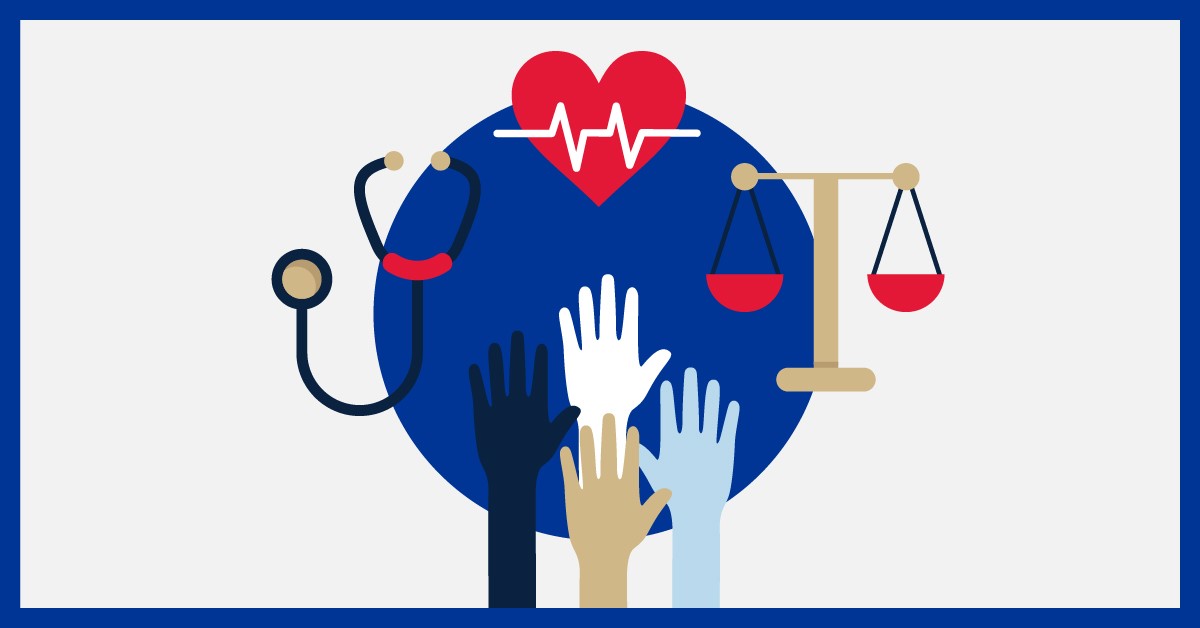
Social Justice and Nursing: Caring for Individuals, Strengthening Communities
Nursing is more than the treatment of illness. It is also a commitment to protecting health, dignity, and well-being. Because people’s health is shaped by factors such as income, housing, education, disability, race, and access to care, nurses regularly encounter the effects of social inequality. Social justice in nursing means recognizing these conditions and working toward fairer, more accessible care for every person.
What Social Justice Means in Nursing
Social justice is the principle that people should have a fair opportunity to achieve good health and participate fully in their communities. In nursing, this principle guides how care is delivered and how barriers to health are addressed. It calls on nurses to treat each patient with respect while also considering the circumstances that may make it harder for that person to stay healthy.
For example, a patient may have difficulty following a care plan because they cannot afford medication, lack reliable transportation, or have limited access to nutritious food. A socially responsive approach does not blame the patient. Instead, it seeks to understand the barrier and connect the patient with practical support.
Health Equity Begins at the Point of Care
Equitable care does not always mean providing the exact same service to everyone. People have different needs, resources, and experiences. Nurses can help make care more equitable by listening carefully, asking respectful questions, and adapting communication and support to each patient.
This may include arranging interpretation services, explaining treatment options in plain language, accommodating a disability, or helping someone navigate insurance and community resources. These actions can improve understanding, support informed decision-making, and help patients take a more active role in their care.
Recognizing Bias and Building Trust
Bias—whether conscious or unconscious—can affect how patients are heard, assessed, and treated. Assumptions about a person’s background, behavior, or ability to manage a health condition can undermine trust and contribute to unequal care. Nurses can help counter these patterns by reflecting on their own assumptions, using evidence-based practices, and giving each patient the opportunity to describe their concerns in their own words.
Trust also depends on cultural humility: an ongoing willingness to learn from patients and recognize that no single person can be an expert on every culture or lived experience. Respectful care avoids stereotypes and makes room for patients’ values, preferences, and identities.
Advocacy Beyond the Hospital
Nurses often see how social conditions affect health long before those conditions appear in a medical record. Their perspective can support improvements at many levels, from a clinic’s policies to broader public-health initiatives. Nurses may advocate for safer workplaces, accessible health services, violence prevention, affordable treatment, or stronger community programs.
Advocacy can also be part of everyday practice. A nurse who helps a patient secure follow-up care, reports an unsafe discharge process, or raises concerns about unequal treatment is contributing to a more just health system. Collective action—through professional organizations, community partnerships, research, and public policy—can help address problems that individual patient encounters cannot solve alone.
Supporting Social Justice in Nursing Practice
- Listen without judgment: Take patients’ concerns seriously and ask what matters most to them.
- Communicate accessibly: Use clear language and arrange interpretation or other accommodations when needed.
- Identify barriers: Ask about factors such as medication costs, transportation, housing, and access to food when relevant to care.
- Protect dignity and privacy: Treat every patient with respect, regardless of identity, income, immigration status, or health condition.
- Speak up: Report unsafe or discriminatory practices and support policies that promote fair access to care.
- Keep learning: Reflect on bias, seek feedback, and learn from patients and communities.
A Shared Responsibility
Nurses cannot eliminate every form of inequality on their own. Many challenges require coordinated efforts among health professionals, community organizations, educators, policymakers, and patients themselves. Still, nursing has an important role to play. Through compassionate care, informed advocacy, and attention to the conditions that shape health, nurses can help make health systems more respectful and responsive.
Social justice is not separate from nursing practice. It is part of the work of caring for people as whole human beings—and of helping build communities in which everyone has a fair chance to live a healthy life.
Social Justice in Nursing: 8 Frequently Asked Questions
- What does social justice mean in nursing?
- Why is social justice important in nursing?
- How can nurses promote health equity in patient care?
- What are examples of social justice issues nurses encounter?
- How can nurses address bias and discrimination in health care?
- What role do nurses play in advocating for underserved communities?
- How can nurses help patients facing social barriers to health care?
- What skills or training help nurses support social justice?
What does social justice mean in nursing?
Social justice in nursing means promoting fair, respectful, and accessible care for everyone, regardless of income, race, gender, disability, or background. It also means recognizing how factors such as housing, education, transportation, and access to medication affect health. Nurses support social justice by listening without bias, adapting care to patients’ needs, advocating for people facing barriers, and working to reduce inequities in health care and the wider community.
Why is social justice important in nursing?
Social justice is important in nursing because everyone deserves respectful, high-quality care and a fair opportunity to achieve good health. Nurses often see how barriers such as poverty, discrimination, language differences, disability, and limited access to healthcare affect patients’ well-being. By recognizing these challenges, treating people with dignity, advocating for equitable care, and connecting patients with needed resources, nurses can help reduce health disparities and build trust between patients and the healthcare system.
How can nurses promote health equity in patient care?
Nurses can promote health equity by providing respectful, patient-centered care that recognizes each person’s needs, circumstances, and preferences. This includes listening without judgment, using clear language, arranging interpreters or accessibility accommodations, and avoiding assumptions based on a patient’s background. Nurses can also ask about barriers such as medication costs, transportation, or access to follow-up care, then connect patients with appropriate resources. By speaking up about unequal treatment and supporting fair, inclusive care practices, nurses help ensure that every patient has a meaningful opportunity to achieve better health.
What are examples of social justice issues nurses encounter?
Nurses encounter social justice issues when patients face unfair barriers to care and good health. Examples include being unable to afford medication or insurance, lacking transportation to appointments, living in unsafe housing or food-insecure conditions, and having limited access to care because of disability, language, immigration status, or location. Nurses may also see patients experience discrimination or unequal treatment based on race, ethnicity, gender identity, age, income, or other aspects of their identity. These challenges can affect whether people receive timely, respectful care and have a fair chance to achieve good health.
How can nurses address bias and discrimination in health care?
Nurses can address bias and discrimination by reflecting on their assumptions, listening to patients without judgment, and treating each person with dignity and respect. They can use clear, inclusive communication, arrange interpreters or other accommodations when needed, and make care decisions based on each patient’s needs rather than stereotypes. Nurses should also speak up when they witness discriminatory behavior, document and report concerns through appropriate channels, and support workplace policies and ongoing education that promote equitable care.
What role do nurses play in advocating for underserved communities?
Nurses advocate for underserved communities by helping people access respectful, affordable, and appropriate care. They listen to patients’ concerns, identify barriers such as cost, transportation, language access, or discrimination, and connect individuals with health and social services. Nurses can also speak up when care is unsafe or inequitable, partner with community organizations, and support policies that address the underlying conditions affecting health. Through these efforts, nurses help ensure that community members’ needs and perspectives are represented in decisions about their care.
How can nurses help patients facing social barriers to health care?
Nurses can help patients facing social barriers to health care by listening without judgment and identifying practical obstacles that may affect treatment, such as cost, transportation, language access, housing, or limited access to food. They can explain care options in clear language, arrange interpreters or accessibility accommodations, connect patients with social workers and community resources, and help coordinate follow-up care. By respecting each patient’s circumstances, advocating for fair treatment, and raising concerns about systemic barriers, nurses can support more accessible and equitable care.
What skills or training help nurses support social justice?
Nurses can support social justice by developing strong communication, cultural humility, and advocacy skills. Training in health equity, implicit bias, trauma-informed care, disability access, and the social determinants of health can help nurses recognize barriers and respond without judgment. Skills in patient education, interpretation services, community outreach, and care coordination also help connect people with appropriate support. Continuing education, reflective practice, and learning directly from patients and communities can further prepare nurses to provide respectful care and advocate for fairer policies and systems.