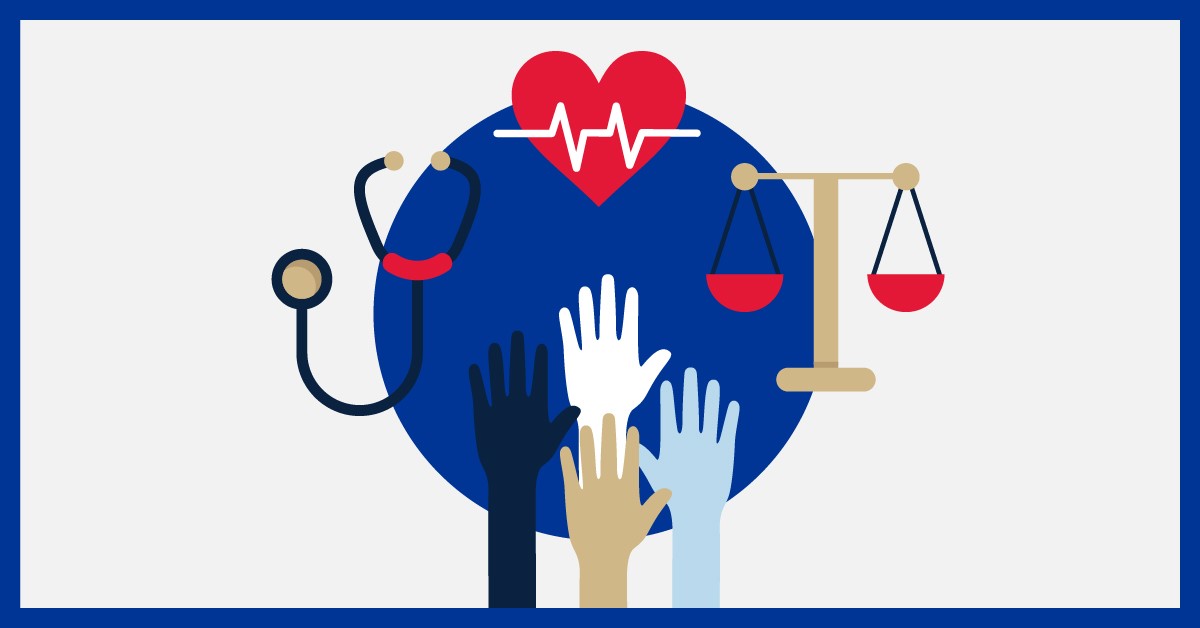
Social Justice in Nursing: Advancing Fair and Equitable Care
Nursing is about more than treating illness. It also means understanding the conditions that shape people’s health and working to ensure that everyone can access respectful, high-quality care. Social justice in nursing applies principles of fairness, dignity, and human rights to health care and to the communities nurses serve.
What Social Justice Means in Nursing
Social justice in nursing means recognizing that health is influenced by more than individual choices or medical conditions. Income, housing, education, employment, transportation, disability, language access, and exposure to discrimination can all affect a person’s ability to stay healthy and receive care.
Fair care does not always mean giving every patient exactly the same support. It means responding to people’s needs and addressing barriers that prevent them from achieving the best possible health. For example, providing an interpreter, arranging accessible equipment, or helping a patient find affordable follow-up care can make treatment more equitable.
Why It Matters
When people face barriers to care, they may delay seeking help, have difficulty following a treatment plan, or experience worse health outcomes. These barriers can be especially serious for people with limited income, rural residents, people with disabilities, immigrants, members of racial and ethnic minorities, and those who have experienced stigma in health care settings.
Nurses often see how these circumstances affect patients firsthand. They may notice that a patient cannot store medication safely, lacks reliable transportation to appointments, or has trouble understanding discharge instructions. Recognizing these challenges is an important step toward care that is both compassionate and effective.
How Nurses Can Promote Social Justice
- Provide respectful, individualized care. Listen to patients, ask about their preferences, and avoid making assumptions based on identity, income, or background.
- Communicate accessibly. Use qualified interpreters when needed, explain medical information in clear language, and provide materials in formats patients can use.
- Recognize barriers to care. Ask about practical concerns such as medication costs, transportation, food access, housing, and the ability to attend follow-up appointments.
- Connect patients with support. Work with social workers, community health workers, case managers, and local organizations to help patients find useful services.
- Speak up for patient safety and dignity. Address unsafe practices, discriminatory treatment, and policies that create unnecessary obstacles to care.
- Use evidence and reflect on bias. Stay informed about disparities in health outcomes and consider how personal assumptions or institutional routines may affect care.
Social Justice Within the Nursing Profession
Equity also matters in the nursing workplace. Nurses need safe staffing, fair compensation, protection from harassment and discrimination, and opportunities for professional growth. A diverse and supported workforce can help health care organizations better understand and serve the communities around them.
Promoting fairness at work includes treating colleagues with respect, addressing bias, supporting inclusive leadership, and raising concerns about unsafe conditions. These efforts benefit nurses and help create safer care environments for patients.
From Individual Care to Systemic Change
One nurse cannot solve every social problem, and responsibility for equitable health care does not rest on individual clinicians alone. Health care organizations, policymakers, educational institutions, and community partners all have a role. Nurses can contribute by sharing what they observe, participating in quality-improvement efforts, supporting community-led programs, and advocating for policies that make care more accessible.
Social justice in nursing is an ongoing practice. It begins with seeing each patient as a person deserving of respect, while also recognizing that broader conditions can limit health and opportunity. By combining skilled clinical care with listening, advocacy, and collaboration, nurses can help make health care more fair, responsive, and humane.
7 Benefits of Social Justice in Nursing
- Promotes fair access to quality care.
- Helps reduce health disparities.
- Supports respectful, inclusive treatment.
- Addresses barriers to better health.
- Builds trust between patients and nurses.
- Strengthens advocacy for underserved communities.
- Encourages safer, more equitable workplaces.
Six Challenges of Advancing Social Justice in Nursing
- Can add to nurses’ already heavy workloads.
- May require training and resources that are not readily available.
- Can be difficult to address within rigid health care systems.
- Advocacy efforts may create conflict with colleagues or administrators.
- Programs may overlook local needs if communities are not consulted.
- Progress can be hard to measure and may take time.
Promotes fair access to quality care.
Social justice in nursing promotes fair access to quality care by helping ensure that every patient receives the support they need, regardless of income, race, disability, language, or background. Nurses can identify barriers such as transportation challenges, unaffordable medications, or limited access to interpreters and work with patients and care teams to address them. By adapting care to individual needs and advocating for inclusive services, nurses help reduce disparities and give more people the opportunity to achieve better health.
Helps reduce health disparities.
Social justice in nursing helps reduce health disparities by addressing the barriers that prevent people from receiving fair, timely, and effective care. Nurses can identify how factors such as income, race, disability, language, location, or access to transportation affect a patient’s health, then help connect them with appropriate resources and support. By providing respectful, culturally responsive care and advocating for equitable policies, nurses can improve access and outcomes for underserved communities.
Supports respectful, inclusive treatment.
Social justice in nursing supports respectful, inclusive treatment by recognizing each patient’s dignity, identity, and individual needs. Nurses can create a more welcoming care experience by listening without judgment, respecting cultural and personal preferences, using inclusive language, and addressing barriers such as language access or disability accommodations. When patients feel seen and respected, they may be more comfortable sharing concerns, participating in decisions, and building trust with their care team.
Addresses barriers to better health.
Social justice in nursing helps address barriers that can prevent people from achieving better health. Nurses may identify challenges such as the cost of medication, limited transportation, language differences, inaccessible facilities, or difficulty finding follow-up care. By listening without judgment, adapting care to each patient’s needs, and connecting people with helpful services, nurses can make treatment easier to access and follow. These efforts support more equitable care and give patients a better chance to achieve positive health outcomes.
Builds trust between patients and nurses.
Social justice in nursing builds trust by showing patients that they will be treated with dignity, fairness, and respect. When nurses listen without judgment, recognize each patient’s unique needs, communicate clearly, and address barriers to care, patients are more likely to feel safe sharing concerns and asking questions. That trust can strengthen the relationship between patients and nurses, support informed decisions, and help patients take an active role in their care.
Strengthens advocacy for underserved communities.
Social justice in nursing strengthens advocacy for underserved communities by helping nurses recognize and address the barriers that keep people from receiving quality care. Nurses can use their knowledge and close relationships with patients to speak up for accessible services, culturally responsive treatment, fair policies, and resources such as transportation or language support. This advocacy helps ensure that community needs are heard and that care is more equitable.
Encourages safer, more equitable workplaces.
Social justice in nursing encourages safer, more equitable workplaces by promoting fair treatment, respectful communication, and equal opportunities for nurses from all backgrounds. When health care organizations address discrimination, harassment, unsafe staffing, and unequal access to professional development, nurses are better supported and more able to provide high-quality care. A workplace where staff feel valued and safe also strengthens teamwork, improves morale, and helps protect patients.
Can add to nurses’ already heavy workloads.
Efforts to promote social justice in nursing can add to nurses’ already heavy workloads, especially when they involve extra screenings, documentation, advocacy, or coordination with community services without additional staffing or time. Although this work can improve patient care, placing it on nurses without adequate support may contribute to stress, fatigue, and burnout. Health care organizations can reduce this burden by providing training, staffing, and dedicated resources.
May require training and resources that are not readily available.
A potential challenge of advancing social justice in nursing is that it may require specialized training, staff time, and resources that are not readily available in every health care setting. Nurses may need education on cultural humility, implicit bias, health disparities, and community advocacy, while organizations may need funding for interpreters, accessible materials, or stronger community partnerships. When budgets are tight or staffing is limited, these efforts can be difficult to implement consistently, even when nurses and leaders are committed to equitable care.
Can be difficult to address within rigid health care systems.
Advancing social justice in nursing can be difficult within rigid health care systems, where strict policies, limited staffing, time pressures, and established routines may leave little room to respond to each patient’s unique needs. Nurses may recognize barriers such as language gaps, transportation challenges, or unaffordable treatment but lack the authority or resources to address them. These constraints can create frustration and make meaningful change slow, even when nurses are committed to providing fair and inclusive care.
Advocacy efforts may create conflict with colleagues or administrators.
Advocacy is an important part of nursing, but speaking up about inequities or unsafe practices can create tension with colleagues or administrators. Concerns about policies, resource allocation, or workplace culture may be perceived as criticism, potentially straining professional relationships or making collaboration more difficult. Nurses can reduce these risks by grounding concerns in evidence, communicating respectfully, and focusing on shared goals such as patient safety and equitable care.
Programs may overlook local needs if communities are not consulted.
Social justice programs in nursing can miss the mark when they are designed without meaningful input from the communities they aim to serve. Even well-intentioned initiatives may overlook local priorities, cultural practices, language needs, or practical barriers, leading to services that are difficult to access or do not address the most urgent concerns. Consulting residents, community organizations, and local health workers from the planning stage can help ensure programs are relevant, respectful, and effective.
Progress can be hard to measure and may take time.
One challenge of advancing social justice in nursing is that progress can be difficult to measure and may take years to become visible. Changes such as building trust, improving access, or reducing disparities often happen gradually, and results can be influenced by factors beyond a nurse’s control. This slow pace may make it hard for nurses and health care organizations to see whether their efforts are working, secure continued support, or stay motivated. Clear goals, consistent data collection, and regular evaluation can help track incremental improvements while recognizing that lasting change takes time.