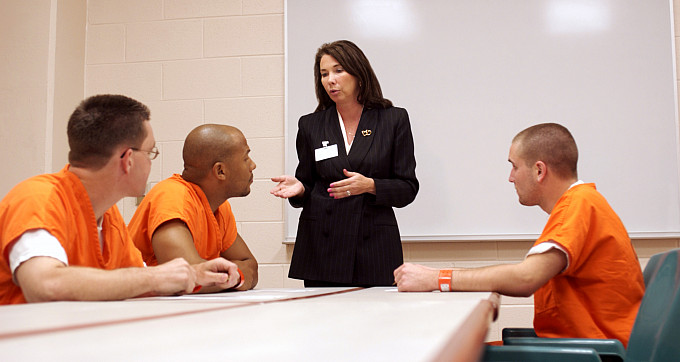
The Intersection of Social Work and Criminal Justice
Social work and criminal justice are two fields that often intersect, especially when it comes to addressing issues related to crime, rehabilitation, and social welfare. Both disciplines play crucial roles in promoting justice, supporting individuals in need, and creating safer communities.
Role of Social Work in Criminal Justice
Social workers in the criminal justice system work with individuals who have been impacted by crime, incarceration, or involvement with the legal system. They provide support services such as counseling, case management, and reentry assistance to help individuals reintegrate into society successfully.
Additionally, social workers advocate for systemic changes within the criminal justice system to promote fairness, equity, and rehabilitation. They work to address underlying issues such as poverty, mental health challenges, substance abuse, and lack of access to resources that may contribute to involvement in criminal activities.
Collaboration Between Social Workers and Criminal Justice Professionals
Collaboration between social workers and criminal justice professionals is essential for holistic and effective intervention. By working together, these professionals can create comprehensive strategies that address the root causes of crime while providing support and resources to those affected by it.
Social workers can offer valuable insights into the social determinants of crime and help identify alternative approaches to incarceration that focus on rehabilitation rather than punishment. By collaborating with law enforcement agencies, courts, correctional facilities, and community organizations, social workers can contribute to creating a more just and compassionate criminal justice system.
The Impact of Social Work on Criminal Justice Reform
Social work plays a significant role in advocating for criminal justice reform policies that prioritize prevention, rehabilitation, and community-based solutions. Social workers engage in policy analysis, research initiatives, and grassroots advocacy efforts to promote evidence-based practices that reduce recidivism rates and promote positive outcomes for individuals involved in the legal system.
By emphasizing principles of restorative justice, trauma-informed care, and community engagement, social workers contribute to creating a more equitable and humane approach to addressing crime and supporting individuals affected by it. Their commitment to social justice values helps shape a more inclusive society where all individuals have the opportunity for redemption and healing.
Exploring the Intersection of Social Work and Criminal Justice: Key Roles, Challenges, and Impact
- What is the role of social workers in the criminal justice system?
- How do social workers support individuals impacted by crime or incarceration?
- What are the challenges faced by social workers working in criminal justice?
- How does collaboration between social workers and criminal justice professionals benefit communities?
- What impact can social work have on criminal justice reform?
- What are some key strategies for addressing recidivism through social work interventions?
- How do social workers advocate for systemic changes within the criminal justice system?
- What ethical considerations are important for social workers working in the intersection of social work and criminal justice?
What is the role of social workers in the criminal justice system?
Social workers play a vital role in the criminal justice system by providing essential support and services to individuals impacted by crime, incarceration, or involvement with the legal system. They offer counseling, case management, and reentry assistance to help individuals successfully reintegrate into society. Social workers also advocate for systemic changes within the criminal justice system to promote fairness, equity, and rehabilitation. By addressing underlying issues such as poverty, mental health challenges, substance abuse, and lack of resources, social workers contribute to creating a more just and compassionate environment within the criminal justice system.
How do social workers support individuals impacted by crime or incarceration?
Social workers play a crucial role in supporting individuals impacted by crime or incarceration through a range of services and interventions. They provide emotional support, counseling, and case management to help individuals cope with the trauma and challenges they may face. Social workers also assist in accessing resources such as housing, employment opportunities, healthcare, and legal aid to facilitate successful reintegration into society. By addressing underlying issues such as mental health disorders, substance abuse, poverty, and lack of social support, social workers help individuals rebuild their lives and navigate the complex aftermath of crime or incarceration with dignity and resilience.
What are the challenges faced by social workers working in criminal justice?
Social workers working in criminal justice face a myriad of challenges in their roles. One significant challenge is navigating the complex and often adversarial nature of the legal system while maintaining a focus on client-centered care. Additionally, social workers may encounter barriers in accessing resources and support services for their clients, particularly those who have been involved in the criminal justice system. Balancing the need for rehabilitation and reintegration with concerns around public safety can also present ethical dilemmas for social workers in this field. Furthermore, addressing systemic issues such as institutional racism, poverty, and lack of mental health services requires a comprehensive approach that social workers must advocate for within a sometimes resistant or bureaucratic system. Despite these challenges, social workers working in criminal justice play a vital role in promoting positive change and advocating for the well-being of individuals impacted by crime and incarceration.
How does collaboration between social workers and criminal justice professionals benefit communities?
Collaboration between social workers and criminal justice professionals brings significant benefits to communities by fostering a holistic approach to addressing crime, rehabilitation, and social welfare. By working together, these professionals can leverage their respective expertise to create comprehensive strategies that address the root causes of crime while providing support and resources to individuals affected by it. Social workers bring a deep understanding of the social determinants of crime and advocate for interventions that focus on rehabilitation and community-based solutions. On the other hand, criminal justice professionals contribute their knowledge of legal frameworks and enforcement strategies. Together, they can develop programs that promote justice, reduce recidivism rates, and create safer and more supportive environments for all community members. This collaboration helps build bridges between different sectors, enhance communication, and ultimately improve outcomes for individuals involved in the criminal justice system.
What impact can social work have on criminal justice reform?
Social work plays a crucial role in influencing criminal justice reform by advocating for policies and practices that prioritize prevention, rehabilitation, and community-based solutions. Social workers bring a unique perspective to the conversation, emphasizing the importance of addressing underlying social issues such as poverty, mental health challenges, and lack of resources that contribute to involvement in criminal activities. By promoting evidence-based practices, restorative justice principles, and trauma-informed care, social workers help shape a more equitable and compassionate criminal justice system. Their dedication to social justice values contributes to creating a society where individuals impacted by the legal system have the opportunity for redemption, healing, and positive transformation.
What are some key strategies for addressing recidivism through social work interventions?
Addressing recidivism through social work interventions involves implementing key strategies that focus on rehabilitation, support, and community reintegration. One effective approach is providing comprehensive case management services to individuals upon their release from incarceration, which may include connecting them to housing, employment opportunities, mental health services, and substance abuse treatment. Additionally, offering cognitive-behavioral therapy and skills-building programs can help individuals develop coping mechanisms and decision-making skills to prevent reoffending. Collaboration with community resources and stakeholders is essential in creating a supportive environment for individuals transitioning back into society. By addressing the underlying factors contributing to criminal behavior and providing ongoing support, social work interventions play a vital role in reducing recidivism rates and promoting successful reentry outcomes for individuals involved in the criminal justice system.
How do social workers advocate for systemic changes within the criminal justice system?
Social workers advocate for systemic changes within the criminal justice system through a multi-faceted approach that involves policy analysis, research, community engagement, and collaboration with stakeholders. They work to address underlying issues such as inequality, discrimination, lack of access to resources, and social determinants of crime. By leveraging their expertise in social welfare and justice, social workers advocate for evidence-based practices that prioritize prevention, rehabilitation, and community-based solutions over punitive measures. Through advocacy efforts at local, state, and national levels, social workers strive to influence legislation, promote restorative justice principles, and foster a more equitable and humane criminal justice system that supports the well-being of individuals impacted by crime.
What ethical considerations are important for social workers working in the intersection of social work and criminal justice?
When social workers operate at the intersection of social work and criminal justice, they must navigate a complex ethical landscape. One crucial consideration is maintaining confidentiality and privacy while balancing the need to ensure public safety and comply with legal mandates. Social workers must also uphold principles of non-discrimination and cultural competence when working with individuals involved in the criminal justice system. Additionally, ethical dilemmas may arise regarding issues such as dual relationships, boundaries, and conflicts of interest. It is essential for social workers in this context to adhere to professional codes of ethics, seek supervision and consultation when needed, and prioritize the well-being and rights of their clients while promoting social justice within the constraints of the legal system.