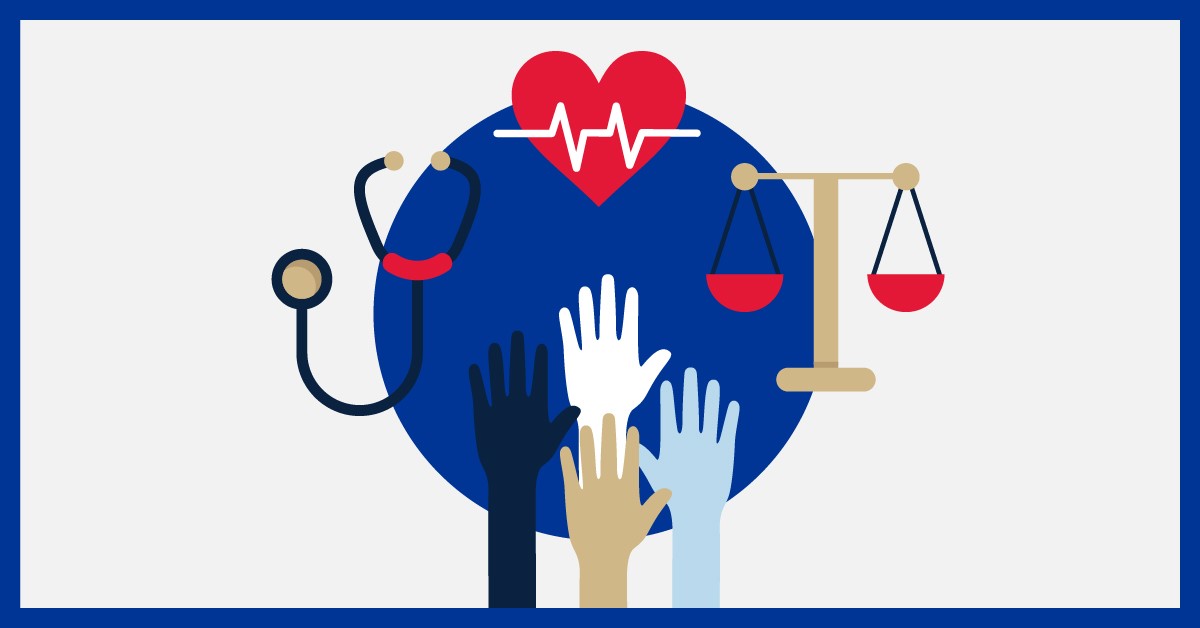
Social Justice in Healthcare: Building a Fairer System
Healthcare is essential to individual well-being and the strength of communities. Yet access to timely, affordable, high-quality care is not the same for everyone. Social justice in healthcare means addressing the policies, practices, and conditions that create unequal health outcomes—and ensuring that every person can receive respectful, effective care.
What Social Justice in Healthcare Means
Social justice in healthcare goes beyond treating people equally in a clinic. It recognizes that people face different barriers based on factors such as income, race, disability, gender, age, location, language, immigration status, and access to insurance. Fairness may require different forms of support so that everyone has a meaningful opportunity to achieve good health.
This approach includes access to preventive care, mental health services, prescription medications, reproductive healthcare, and treatment for chronic and acute conditions. It also includes care that respects patients’ identities, experiences, and right to make informed decisions.
Why Health Inequities Persist
Health is shaped by more than medical care. Safe housing, nutritious food, education, stable employment, clean air and water, transportation, and freedom from discrimination all affect people’s health. These conditions are often called the social determinants of health.
When communities have fewer clinics, limited public transportation, or a shortage of healthcare professionals, residents may have trouble getting care—even when services technically exist. High costs can lead people to delay appointments, skip medications, or avoid treatment altogether. Language barriers, inaccessible facilities, and a lack of culturally responsive care can create additional obstacles.
Past and present discrimination also matters. Some patients have experienced dismissive treatment or unequal care, which can undermine trust in healthcare institutions. Addressing these experiences requires more than good intentions; it calls for accountability, listening, and lasting changes in policy and practice.
What a More Equitable Healthcare System Looks Like
A fairer system makes essential care accessible and affordable. It invests in primary care, prevention, mental health services, and community-based programs, while reducing financial barriers that force people to choose between healthcare and other necessities.
Equity also means designing services around the needs of the people who use them. This can include providing qualified interpreters, ensuring facilities and medical information are accessible to people with disabilities, offering flexible appointment options, and supporting care delivered in trusted community settings.
Healthcare organizations can help by collecting and reviewing data to identify gaps in access and outcomes. Data should be used responsibly and alongside input from patients and communities. When disparities are identified, institutions need clear plans to address them and ways to measure progress.
The Role of Communities and Policymakers
Improving health equity requires action at many levels. Policymakers can strengthen access to coverage and essential services, support the healthcare workforce, and invest in the conditions that help people stay healthy. Healthcare providers can examine how their practices affect different groups and work to reduce bias and barriers to care.
Community organizations and residents also play an important role. People closest to a problem often have valuable insight into what solutions will work. Including community members in planning and decision-making helps create services that are relevant, respectful, and more likely to earn public trust.
Moving Forward
Social justice in healthcare is not a single program or policy. It is an ongoing commitment to remove unfair barriers, improve care, and listen to the people most affected by inequity. Progress depends on recognizing that health opportunities are shaped by both the healthcare system and the broader conditions of daily life.
A healthier society is possible when everyone can seek care without facing preventable obstacles and can expect to be treated with dignity. Working toward that goal benefits individuals, families, and entire communities.
9 Benefits of Social Justice in Healthcare
- Expands access to essential care.
- Reduces preventable health disparities.
- Promotes fair treatment for every patient.
- Supports affordable healthcare.
- Improves care for underserved communities.
- Encourages culturally respectful services.
- Strengthens preventive and mental health care.
- Builds trust between patients and providers.
- Helps communities achieve better health outcomes.
Challenges of Advancing Social Justice in Healthcare
- Reforms can increase short-term costs.
- Poorly designed policies may create new access barriers.
- Limited funding can make equitable care difficult to sustain.
Expands access to essential care.
Social justice in healthcare expands access to essential care by working to remove barriers such as high costs, lack of insurance, long travel distances, language differences, and inaccessible facilities. When healthcare systems prioritize fairness, more people can receive preventive services, medications, mental health support, and timely treatment—regardless of income, background, or location. This can help prevent manageable conditions from becoming serious, improve health outcomes, and strengthen the well-being of entire communities.
Reduces preventable health disparities.
Social justice in healthcare helps reduce preventable health disparities by addressing the barriers that keep some people from getting timely, effective care. Expanding access to affordable services, preventive screenings, culturally responsive care, and reliable health information can help identify and treat health problems earlier. When care is designed to meet the needs of underserved communities, fewer people are left to face avoidable illness or complications simply because of where they live, how much they earn, or who they are.
Promotes fair treatment for every patient.
Social justice in healthcare promotes fair treatment for every patient by ensuring that people receive respectful, high-quality care regardless of their income, race, gender, disability, background, or insurance status. It encourages healthcare providers to recognize and address bias, listen to patients’ concerns, and make care accessible to people with different needs. When every patient is treated with dignity and given a fair opportunity to receive appropriate care, trust in the healthcare system can grow and health outcomes can improve.
Supports affordable healthcare.
Social justice in healthcare supports affordable care by working to reduce the financial barriers that keep people from getting the services they need. When costs for insurance, appointments, prescriptions, and treatment are more manageable, people are less likely to delay care or go without medication because of cost. Affordable healthcare helps individuals address health concerns earlier, supports better long-term outcomes, and reduces the burden on families and communities.
Improves care for underserved communities.
Social justice in healthcare improves care for underserved communities by addressing barriers that can prevent people from getting timely, high-quality treatment. Expanding access to affordable clinics, culturally responsive care, language services, and preventive screenings can help people receive support earlier and manage health conditions more effectively. When healthcare systems listen to communities and invest in their specific needs, they can build trust, reduce avoidable health disparities, and support better outcomes for everyone.
Encourages culturally respectful services.
Social justice in healthcare encourages culturally respectful services by recognizing that patients’ beliefs, languages, identities, and lived experiences can shape how they understand and access care. When healthcare providers listen without judgment, communicate in ways patients can understand, and respect cultural practices and personal choices, patients are more likely to feel safe and valued. This trust can improve communication, support informed decisions, and help people receive care that better meets their needs.
Strengthens preventive and mental health care.
Social justice in healthcare strengthens preventive and mental health care by making screenings, counseling, early treatment, and follow-up services more accessible and affordable. When people can get support before a condition becomes severe, they are more likely to maintain their health, manage chronic illnesses, and address mental health concerns without stigma or unnecessary delays. Expanding these services—especially in underserved communities—can improve well-being, reduce avoidable emergencies, and help people lead healthier lives.
Builds trust between patients and providers.
Social justice in healthcare helps build trust between patients and providers by promoting respectful, culturally responsive care and addressing barriers that can leave people feeling overlooked or dismissed. When patients are listened to, treated fairly, and included in decisions about their care, they may feel safer sharing concerns and asking questions. This stronger relationship can support better communication, more informed choices, and greater confidence in the healthcare system.
Helps communities achieve better health outcomes.
Social justice in healthcare helps communities achieve better health outcomes by making quality care more accessible and responsive to people’s needs. When barriers such as cost, transportation, language, and discrimination are addressed, more people can receive preventive services, manage chronic conditions, and get timely treatment. Investing in community health resources and listening to residents also helps identify local needs early, supporting healthier individuals and stronger communities overall.
Reforms can increase short-term costs.
Healthcare reforms designed to improve equity can increase short-term costs as systems expand coverage, hire staff, upgrade facilities, and invest in services for underserved communities. These upfront expenses may strain public budgets, insurers, or healthcare organizations, especially when funding is limited. However, evaluating reforms only by their immediate price tag can overlook potential long-term benefits, such as preventing costly complications and reducing avoidable emergency care.
Poorly designed policies may create new access barriers.
Poorly designed healthcare policies can unintentionally create new barriers to care. Complex eligibility rules, burdensome paperwork, narrow provider networks, or rigid requirements may make it harder for people to enroll in coverage or find a convenient clinician. These hurdles can disproportionately affect people with limited time, internet access, transportation, or language support—the very communities a policy may be intended to help. To avoid worsening inequities, policies should be tested with affected communities, monitored for unintended effects, and revised when they make care harder to access.
Limited funding can make equitable care difficult to sustain.
Limited funding can make equitable healthcare difficult to sustain. Programs that expand access—such as community clinics, interpretation services, transportation assistance, and outreach in underserved areas—require ongoing investment. When budgets are tight or short-term grants end, providers may reduce services, limit staff, or leave communities without reliable support. As a result, efforts to close health gaps can lose momentum, even when the need remains high.