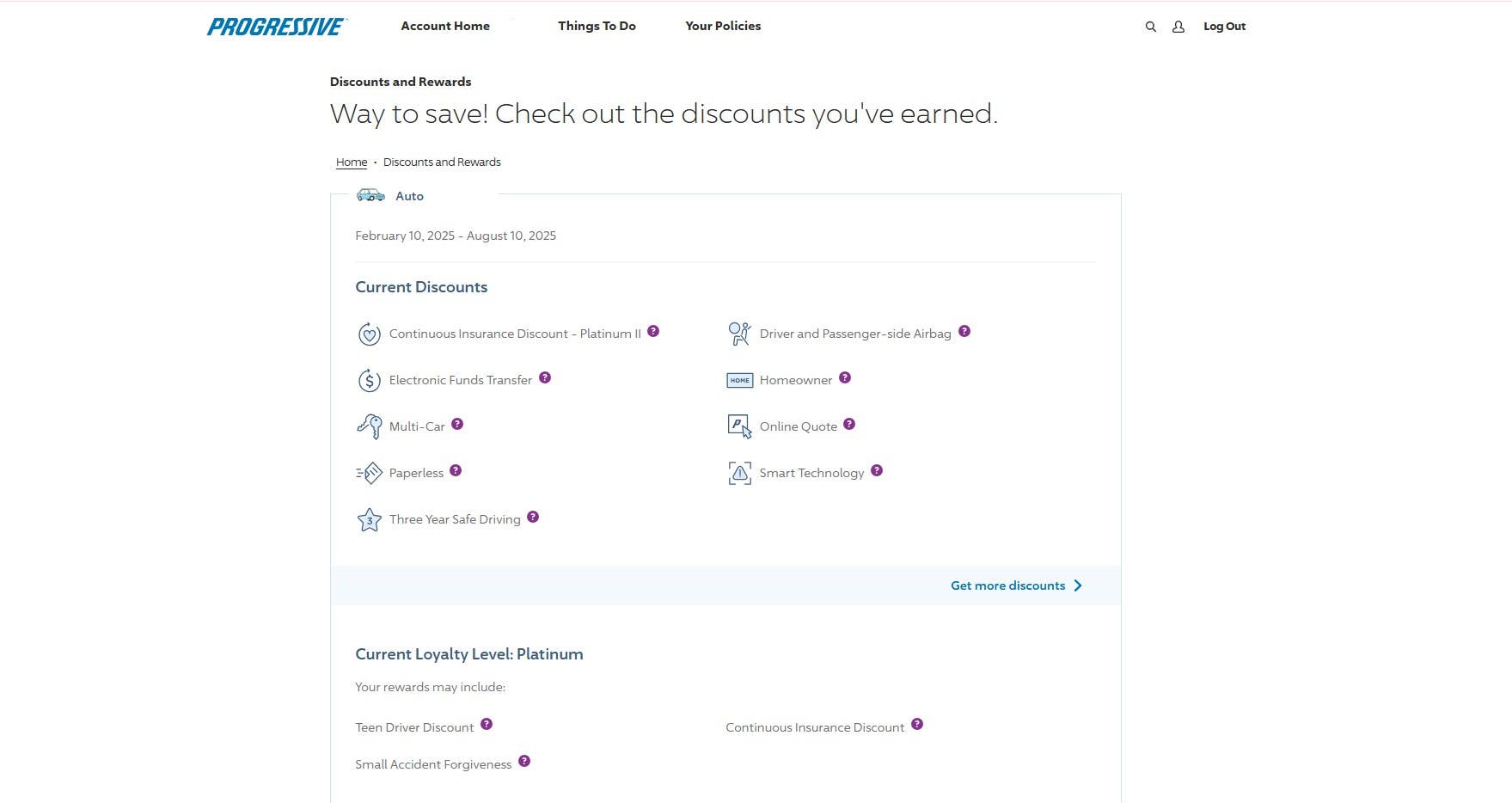
The Power of Client Empowerment
In today’s dynamic and competitive business landscape, the concept of client empowerment has gained significant traction. Client empowerment refers to the process of enabling and equipping clients with the knowledge, tools, and resources they need to make informed decisions and take control of their interactions with businesses.
Empowering clients goes beyond simply providing good customer service. It involves fostering a relationship built on trust, transparency, and mutual respect. When clients feel empowered, they are more likely to engage with a business proactively, provide valuable feedback, and become loyal advocates for the brand.
Key Principles of Client Empowerment
Education: Providing clients with relevant information and resources to help them understand products or services better.
Communication: Establishing open lines of communication to address concerns, gather feedback, and build rapport.
Transparency: Being honest and upfront about pricing, policies, and any other relevant information that affects the client-business relationship.
The Benefits of Client Empowerment
Better Customer Experience: Empowered clients are more likely to have positive interactions with a business, leading to improved satisfaction levels.
Increased Loyalty: Clients who feel empowered are more likely to remain loyal to a brand and recommend it to others.
Innovation: Empowered clients can provide valuable insights and ideas for product or service improvements based on their experiences and needs.
Conclusion
Client empowerment is not just a buzzword; it is a strategic approach that can drive business success in today’s customer-centric environment. By prioritizing client empowerment through education, communication, and transparency, businesses can build stronger relationships with their clients, foster loyalty, and stay ahead of the competition.
8 Benefits of Client Empowerment: Boosting Satisfaction, Trust, and Loyalty
- Enhances customer satisfaction
- Builds trust and credibility
- Encourages client engagement
- Leads to more personalized interactions
- Fosters long-term client loyalty
- Empowers clients to make informed decisions
- Drives innovation through client feedback
- Creates a positive brand image
Challenges of Client Empowerment: Navigating Misinterpretations, Increased Demands, and Decision-Making Risks
- Misinterpretation of information due to lack of expertise
- Increased demands on customer support resources
- Potential for clients to make decisions that are not in their best interest
- Difficulty in managing client expectations and preferences
- Risk of clients becoming overly reliant on empowerment tools and not seeking human assistance when needed
- Possibility of clients feeling overwhelmed by the responsibility of decision-making
Enhances customer satisfaction
Client empowerment plays a crucial role in enhancing customer satisfaction by giving clients the knowledge and tools they need to make informed decisions. When clients feel empowered to take control of their interactions with a business, they are more likely to have positive experiences and feel valued. Empowered clients are better equipped to voice their needs and preferences, leading to personalized solutions that cater to their specific requirements. Ultimately, by prioritizing client empowerment, businesses can create a more satisfying customer experience that fosters loyalty and long-term relationships.
Builds trust and credibility
Client empowerment plays a crucial role in building trust and credibility between businesses and their clients. When clients feel empowered to make informed decisions and have control over their interactions, it fosters a sense of transparency and openness. By prioritizing client empowerment, businesses demonstrate their commitment to putting the client’s needs first, which in turn strengthens the relationship and instills confidence in the brand. This trust and credibility are essential for long-term customer loyalty and advocacy, ultimately contributing to the success and reputation of the business.
Encourages client engagement
Client empowerment encourages client engagement by giving clients the knowledge, tools, and confidence to actively participate in their interactions with businesses. When clients feel empowered to make informed decisions and voice their opinions, they become more engaged in the products or services they receive. This increased engagement leads to a deeper connection between clients and businesses, fostering a sense of ownership and investment in the relationship. Ultimately, client engagement resulting from empowerment can lead to improved customer satisfaction, loyalty, and valuable feedback that drives business growth and success.
Leads to more personalized interactions
Client empowerment leads to more personalized interactions between businesses and their clients. When clients feel empowered to express their preferences, provide feedback, and actively engage with the business, it creates opportunities for tailored solutions and customized experiences. By understanding the individual needs and preferences of each client, businesses can deliver more relevant and meaningful interactions that strengthen the client-business relationship. Personalized interactions foster a sense of value and appreciation, ultimately enhancing customer satisfaction and loyalty.
Fosters long-term client loyalty
Client empowerment plays a crucial role in fostering long-term client loyalty. When clients feel empowered to make informed decisions and have a say in their interactions with a business, they develop a sense of ownership and investment in the relationship. Empowered clients are more likely to feel valued and understood, leading to increased trust and satisfaction. As a result, they are more inclined to remain loyal to the brand over time, becoming repeat customers and advocates who actively promote the business to others. By prioritizing client empowerment, businesses can cultivate strong, enduring relationships that benefit both parties in the long run.
Empowers clients to make informed decisions
Empowering clients to make informed decisions is a fundamental benefit of client empowerment. By providing clients with the necessary knowledge, tools, and resources, businesses enable them to evaluate options critically and choose what aligns best with their needs and preferences. Informed decision-making leads to greater satisfaction and confidence in the choices made, fostering a stronger client-business relationship built on trust and mutual respect. Ultimately, when clients feel empowered to make informed decisions, they are more likely to engage actively with the business and become loyal advocates for the brand.
Drives innovation through client feedback
Client empowerment drives innovation through client feedback by providing businesses with valuable insights and perspectives from the end-users themselves. When clients feel empowered to share their thoughts, suggestions, and concerns, businesses can gather crucial information that informs product development, service enhancements, and overall business strategies. By actively listening to client feedback and incorporating it into decision-making processes, companies can stay agile, adapt to changing market demands, and deliver solutions that truly meet the needs of their target audience. This collaborative approach not only fosters a culture of continuous improvement but also strengthens the bond between businesses and their clients, leading to long-term success and growth.
Creates a positive brand image
Client empowerment plays a crucial role in shaping a positive brand image for businesses. By empowering clients with knowledge, resources, and control over their interactions, companies demonstrate their commitment to transparency, trust, and customer-centric values. When clients feel empowered and valued, they are more likely to view the brand in a favorable light and share their positive experiences with others. This leads to increased brand loyalty, customer satisfaction, and overall reputation in the market. Ultimately, client empowerment not only benefits individual clients but also contributes significantly to building a strong and positive brand image that resonates with both existing and potential customers.
Misinterpretation of information due to lack of expertise
One significant con of client empowerment is the potential misinterpretation of information stemming from a lack of expertise. When clients are empowered to make decisions independently, they may struggle to fully grasp complex or technical details without the necessary knowledge or background. This can lead to misunderstandings, errors in judgment, and suboptimal choices that could impact both the client and the business negatively. It underscores the importance of providing clear, accessible resources and guidance to ensure that empowered clients have the support they need to navigate intricate information accurately.
Increased demands on customer support resources
One significant downside of client empowerment is the increased demands it can place on customer support resources. When clients are empowered to make informed decisions and engage more actively with a business, they may seek assistance or clarification more frequently. This heightened level of interaction can lead to a strain on customer support teams, requiring additional time and resources to address inquiries, provide guidance, and ensure client satisfaction. As a result, businesses must be prepared to scale their customer support operations effectively to meet the growing demands brought about by client empowerment initiatives.
Potential for clients to make decisions that are not in their best interest
Client empowerment, while beneficial in many aspects, also carries the con of potentially leading clients to make decisions that are not in their best interest. When clients are empowered to make choices independently, there is a risk that they may lack the expertise or information necessary to assess all factors accurately. This can result in decisions that do not align with their long-term goals or overall well-being. It is essential for businesses to strike a balance between empowering clients and providing guidance to ensure that clients make informed choices that truly benefit them in the end.
Difficulty in managing client expectations and preferences
One significant con of client empowerment is the challenge of managing client expectations and preferences effectively. When clients are empowered to make decisions and voice their preferences, businesses may encounter difficulties in aligning those expectations with what can realistically be delivered. This discrepancy can lead to misunderstandings, frustration, and potential conflicts if clients’ expectations are not met. Balancing client empowerment with the need to set realistic boundaries and manage expectations becomes crucial to maintain a positive client-business relationship and ensure mutual satisfaction.
Risk of clients becoming overly reliant on empowerment tools and not seeking human assistance when needed
One potential con of client empowerment is the risk of clients becoming overly reliant on empowerment tools and technology, to the extent that they may forego seeking human assistance when necessary. While self-service options and digital resources can enhance efficiency and convenience for clients, there is a concern that this reliance on automated solutions may lead to a lack of personal interaction and guidance. In situations where complex issues or unique circumstances require human intervention or expertise, clients who are solely dependent on empowerment tools may struggle to navigate challenges effectively without seeking the support and insights that human assistance can provide. Balancing empowerment with the importance of human connection and assistance remains a critical consideration in ensuring a comprehensive and supportive client experience.
Possibility of clients feeling overwhelmed by the responsibility of decision-making
One potential drawback of client empowerment is the risk of clients feeling overwhelmed by the increased responsibility of decision-making. When clients are empowered to make choices and take control of their interactions with businesses, they may face a burden of having to navigate complex options and weigh various factors to make informed decisions. This can lead to decision fatigue and stress, especially for clients who prefer more guidance or reassurance from the business. Balancing empowerment with support and guidance is crucial to ensure that clients feel empowered without being overwhelmed by the weight of decision-making responsibilities.