The Concept of Equality of Outcome
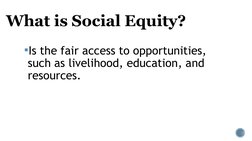
Equality of outcome is a principle that advocates for fairness in the distribution of resources and opportunities to ensure that everyone has an equal chance at success regardless of their starting point or circumstances. Unlike equality of opportunity, which focuses on providing equal access to opportunities, equality of outcome aims to address the disparities in outcomes that result from systemic inequalities.
Proponents of equality of outcome argue that true equality cannot be achieved solely by ensuring equal opportunities because individuals start from different positions due to factors such as socioeconomic status, race, gender, and other forms of discrimination. They believe that society should actively work to level the playing field by redistributing resources and wealth to reduce inequality and provide everyone with a similar standard of living.
However, critics of equality of outcome raise concerns about the potential drawbacks of such a system. They argue that enforcing strict equality in outcomes may stifle individual initiative and innovation, leading to a lack of motivation and productivity. They also point out that it could infringe on personal freedoms and property rights by mandating redistribution without considering individual efforts or merit.
Implementing policies based on equality of outcome can be complex and controversial. It requires careful consideration of how resources are allocated, how success is measured, and how to balance fairness with individual liberty. While the goal of achieving equal outcomes for all is noble, finding the right balance between equity and efficiency remains a challenge in practice.
In conclusion, the concept of equality of outcome raises important questions about social justice and fairness in society. While it seeks to address systemic inequalities and promote a more just distribution of resources, its implementation poses challenges that require thoughtful deliberation and consideration of both ethical principles and practical implications.
9 Essential Tips for Achieving Equality of Outcome in Society
- Promote equal opportunities for education and training to enhance skills and capabilities.
- Ensure fair access to resources such as healthcare, housing, and employment opportunities.
- Implement policies that address discrimination based on gender, race, religion, or other factors.
- Encourage diversity and inclusion in workplaces and communities.
- Support initiatives that aim to close the gender pay gap and promote equal pay for equal work.
- Advocate for affordable childcare options to support working parents, particularly mothers.
- Invest in programs that provide assistance to marginalized groups to overcome barriers to success.
- Create awareness about unconscious bias and its impact on decision-making processes.
- Foster a culture of respect and understanding towards individuals from diverse backgrounds.
Promote equal opportunities for education and training to enhance skills and capabilities.
Promoting equal opportunities for education and training is a crucial step in advancing the principle of equality of outcome. By ensuring that individuals have access to quality education and skill development programs regardless of their background, we empower them to enhance their skills and capabilities, thus leveling the playing field for all. This approach not only fosters personal growth and self-improvement but also contributes to a more equitable society where everyone has the chance to reach their full potential based on merit and effort rather than on predetermined circumstances.
Ensure fair access to resources such as healthcare, housing, and employment opportunities.
To promote equality of outcome, it is essential to ensure fair access to resources such as healthcare, housing, and employment opportunities for all individuals. By creating systems that provide equitable access to these fundamental resources, we can help level the playing field and reduce disparities in outcomes based on factors like socioeconomic status or background. Guaranteeing equal access to essential services not only fosters a more inclusive society but also contributes to a more just and equitable distribution of opportunities for everyone.
Implement policies that address discrimination based on gender, race, religion, or other factors.
To promote equality of outcome, it is crucial to implement policies that actively address discrimination based on gender, race, religion, or any other factors that contribute to systemic inequalities. By recognizing and combating biases and barriers that hinder certain groups from achieving equal outcomes, organizations and societies can create a more inclusive and fair environment where individuals have the opportunity to thrive regardless of their background. Such policies not only help level the playing field but also contribute to building a more just and equitable society where everyone has the chance to reach their full potential.
Encourage diversity and inclusion in workplaces and communities.
Encouraging diversity and inclusion in workplaces and communities is a crucial step towards promoting equality of outcome. By embracing individuals from various backgrounds, experiences, and perspectives, organizations and communities can create environments that foster innovation, creativity, and equality. Embracing diversity not only benefits individuals by providing equal opportunities for growth and success but also enriches the collective experience by promoting understanding and empathy among all members. When everyone feels valued and included, it paves the way for a more equitable society where everyone has a fair chance to thrive and contribute meaningfully.
Support initiatives that aim to close the gender pay gap and promote equal pay for equal work.
Supporting initiatives that aim to close the gender pay gap and promote equal pay for equal work is crucial in advancing the principle of equality of outcome. By advocating for fair compensation practices and policies that ensure all individuals are paid equitably for their contributions regardless of gender, we can work towards creating a more inclusive and just society. Closing the gender pay gap not only benefits individuals by providing them with economic security and recognition for their work but also contributes to building a more equitable and sustainable workforce where talent and effort are valued equally.
Advocate for affordable childcare options to support working parents, particularly mothers.
Advocating for affordable childcare options is crucial in promoting equality of outcome, especially for working parents, particularly mothers. Access to affordable and quality childcare enables parents, especially mothers, to pursue their careers and educational opportunities without being hindered by the high costs of childcare. By advocating for affordable childcare, we can help level the playing field for all parents, ensuring that they have the support they need to succeed in their professional and personal endeavors. This not only benefits individual families but also contributes to a more equitable society where everyone has the opportunity to thrive.
Invest in programs that provide assistance to marginalized groups to overcome barriers to success.
Investing in programs that offer support and assistance to marginalized groups is a crucial step towards achieving equality of outcome. By addressing the barriers that hinder the success of underprivileged individuals, such initiatives can help level the playing field and create opportunities for those who face systemic challenges. Providing targeted resources, mentorship, education, and access to networks can empower marginalized groups to overcome obstacles and reach their full potential, ultimately contributing to a more equitable society where everyone has a fair chance at success.
Create awareness about unconscious bias and its impact on decision-making processes.
Creating awareness about unconscious bias and its impact on decision-making processes is crucial in promoting equality of outcome. By educating individuals about the existence of unconscious biases that can influence our judgments and actions, we can take proactive steps to mitigate their effects and make more objective decisions. Understanding how biases can lead to disparities in outcomes based on factors like race, gender, or socioeconomic status is essential in fostering a more inclusive and equitable society. Through awareness-building initiatives and training programs, we can empower individuals to recognize and address their biases, ultimately contributing to a fairer and more just system where everyone has an equal opportunity to succeed.
Foster a culture of respect and understanding towards individuals from diverse backgrounds.
Fostering a culture of respect and understanding towards individuals from diverse backgrounds is essential in promoting equality of outcome. By creating an environment where differences are celebrated and valued, we can break down barriers that contribute to inequality. Embracing diversity allows for a richer exchange of ideas, experiences, and perspectives, leading to more inclusive outcomes that benefit everyone in society. When we treat each other with respect and seek to understand different viewpoints, we create a foundation for a fairer and more equitable world where everyone has the opportunity to thrive.